About the workshop
Workshop on Cognitive Modelling (WoCoMo): building cognitive bridges between Marseille and Paris.
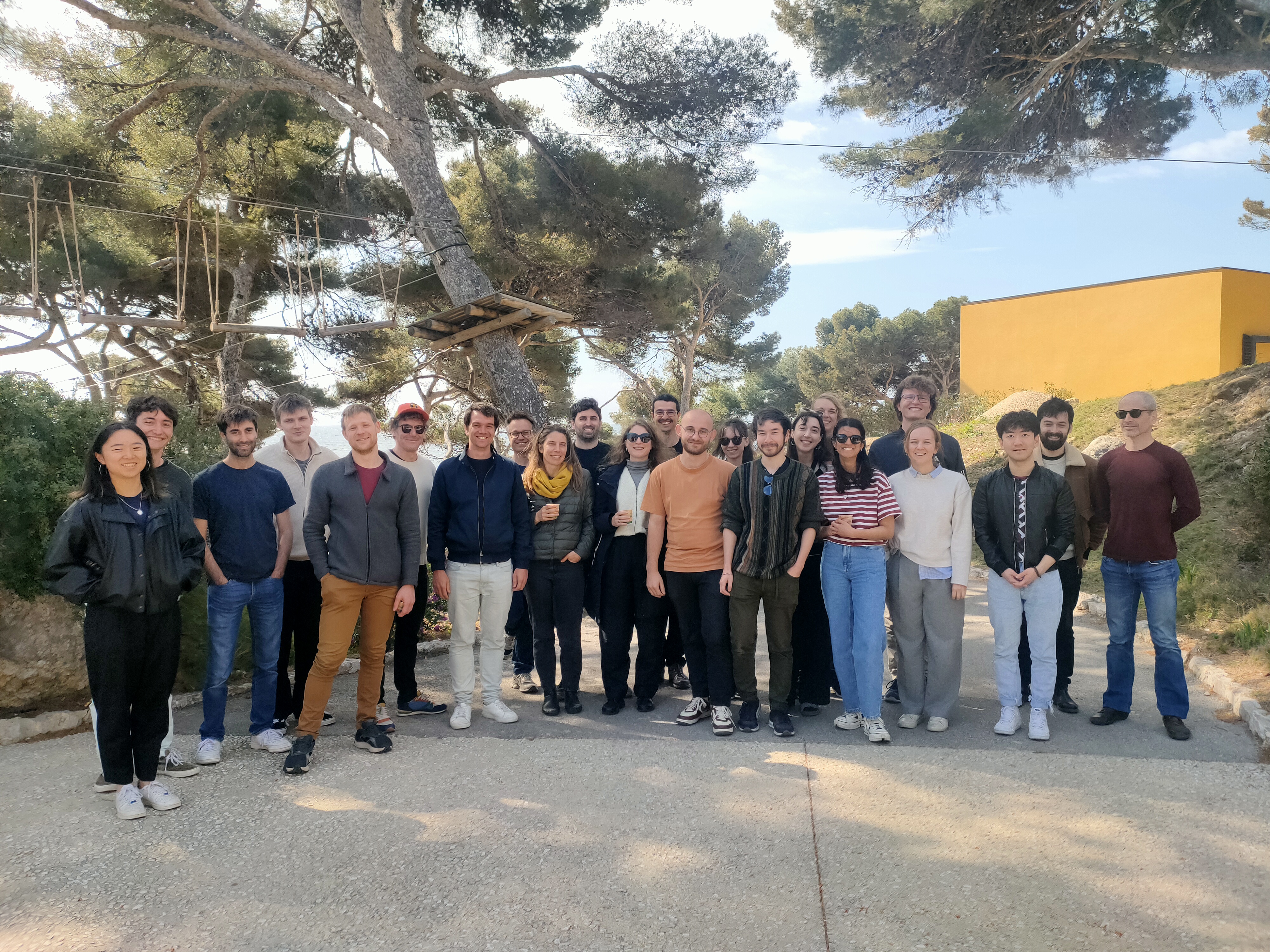
This three-day workshop brings together researchers from the Parisian and Marseille cognitive science communities to exchange ideas, share methods, and foster collaboration. Focusing on cognitive modeling, the event will explore three key themes: time perception, decision-making, and language processing.
Dates
Lundi 31 mars - Mercredi 2 avril 2025
Access
Village Club Miléade de Carry-le-Rouet
Chemin des Eaux Salées
13620 Carry-le-Rouet
GPS: 43.333547 / 5.18062770
TRAIN : Gare de Marseille St-Charles à 30 km, puis gare de Carry (3,5 km).
Puis navette Miléade / Gare de Carry (time TBA).
Situation
Dans une pinède de 3,5 hectares
Au bord d’une plage de galets
A 3,5 km de Carry-le-Rouet et de la gare
A 15 km de Martigues
A 30 km de Marseille (gare)
Program
| Time | Lundi 31 mars | Mardi 01 avril | Mercredi 02 avril |
|---|---|---|---|
| 07:30 – 09:00 | Arrival | Breakfast | |
| 09:00 – 09:30 | (1) Yannick Longuet (2) Nicole Kolodziej (3) Andrea Brovelli (4) Pierre Guilleminot |
(1) Clément Sauvage (2) Joséphine Raugel (3) Lucy Zhang |
|
| 09:30 – 10:00 | |||
| 10:00 – 10:30 | |||
| 10:30 – 11:00 | |||
| 11:00 – 11:30 | Break | ||
| 11:30 – 12:00 | Keynote Lorenzo Fontolan |
Keynote Jean-Rémi King |
|
| 12:00 – 12:30 | |||
| 12:30 – 13:00 | Lunch | ||
| 13:00 – 13:30 | |||
| 13:30 – 14:00 | |||
| 14:00 – 14:30 | (1) Clara Driaï-Allègre (2) Laure Deyna (3) Johannes Wetekam |
Atelier Andrea Brovelli |
Departure |
| 14:30 – 15:00 | |||
| 15:00 – 15:30 | Atelier Valentin Wyart |
||
| 15:30 – 16:00 | |||
| 16:00 – 16:30 | Break | ||
| 16:30 – 17:00 | Keynote Sophie Herbst |
Atelier Yinan Cao |
|
| 17:00 – 17:30 | |||
| 17:30 – 19:00 | Break | ||
| 19:00 – 20:30 | Dinner | ||
Keynotes
Sophie Herbst
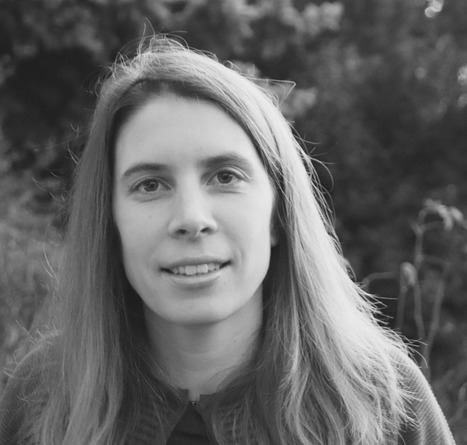 Sophie Herbst is a researcher at Neurospin (CEA). Her research focuses on implicit timing, and how it benefits audition. She is interested in how temporal predictions are formed implicitly from the temporal statistics of sensory inputs and how they interact with the auditory sensory analysis to benefit hearing. Furthermore, she investigate the neural dynamics that implement endogenous temporal predictions, with a specific interest in (slow) neural oscillations.
Title: Predicting when – temporal predictions are formed through statistical learning
Abstract: Timing is a fundamental skill the brain uses to integrate information across senses and interact with dynamic environments. Despite its critical relevance, the cognitive and neural mechanisms that process time remain a significant puzzle in cognitive neuroscience. One aspect of this puzzle is implicit timing: the extraction of temporal regularities from sensory environments to form temporal predictions. Temporal predictions knowingly speed up motor and sensory responses, and enhance the sensitivity of the perceptual analysis in the auditory, visual, and tactile modality. My research focuses on the auditory domain, to which timing is of particular relevance, and has contributed to the demonstration that temporal predictions are formed automatically, even from subtle temporal regularities, and enhance pitch discrimination sensitivity. One putative neural implementation of temporal predictions is through neural oscillations in the delta band (0.5 – 3 Hz), which phase-reset with temporal cues in aperiodic and periodic environments. Throughout the talk I will focus on the question of how temporal predictions are formed from temporal statistics of sensory signals, and their representation at the cognitive and neural level. Statistical learning has been successfully addressed with Bayesian modelling in the sensory domain: an ideal observer forms an internal probabilistic model through sequential updating, but it is not yet clear whether temporal statistical learning in humans follows these principles. In two behavioral studies, we found that Bayesian observer models capture important aspects of human implicit learning of temporal statistics. However, by comparing different observer models to human reaction time data, we can show that humans also diverge from the ideal observer in important ways, notably when it comes to representing the precision of the temporal statistics. Furthermore, neural markers (pupil dilation and electroencephalography) demonstrate that humans represent the degree of uncertainty associated with the temporal statistics of external stimuli.
Lorenzo Fontolan
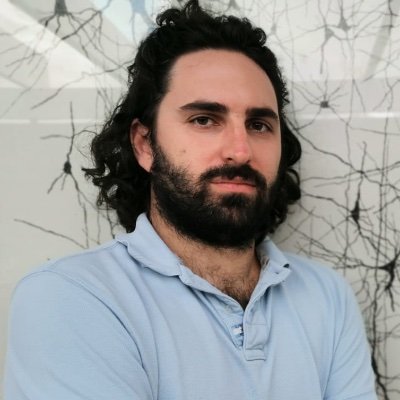 Lorenzo Fontolan is a researcher at INMED. The research goal of his lab is to understand the neural basis of flexible behavior by developing computational models of brain circuits. To study the synaptic and circuit mechanisms that enable flexible behavior, they employ theoretical and numerical techniques from dynamical systems, physics, and machine learning.
Title: The Making of a Motor Plan: How Learning Stabilizes Brain Activity
Abstract: During memory-guided motor behavior, neuronal populations often display ramping activity that persists in a stimulus-dependent manner, yet the computational mechanisms underlying this dynamic remain poorly understood. We used data-driven models in conjunction with optogenetic disruptions of neural circuits within memory-guided motor tasks to reveal that persistent activity relies on dynamic attractors. This mechanism, shaped by time-varying inputs encoding temporal predictions, is instrumental in regulating the impact of sensory information on the premotor cortex, thereby preserving memory traces from distracting stimuli. We then examined how ramping dynamics in the premotor cortex emerge during learning. Using a simple reinforcement learning model embedded in a neural circuit, we captured the effects of acute manipulations of synaptic plasticity and reproduced the emergence of ramping activity patterns. These dynamics, stabilized by the attractor structure, support flexible behavior even in the absence of ongoing plasticity. Together, these results reveal how learning shapes ramping dynamics into stable attractor states that support flexible movement planning over time.
Jean-Rémi King
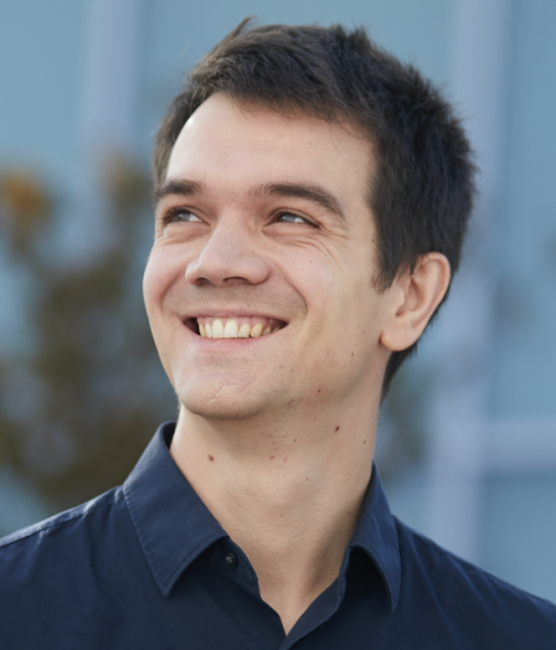 Jean-Rémi King is a researcher at École Normale Supérieure currently detached to Meta AI, where he leads the Brain & AI team. His team aims to identify the brain and computational bases of human intelligence, with a focus on language. For this, they develop deep learning algorithms to decode and model brain activity recorded with MEG, EEG, electrophysiology and fMRI.
Title: Combining AI and Neuroscience to Model the Brain Bases of Natural Language Processing
Abstract: The development of AI provides a new paradigm to understand the intricate workings of the human brain. To illustrate this, we will delve into a series of experiments that systematically compare deep learning algorithms with the human brain in response to images, sounds, and texts. These comparisons consistently show a partial convergence between the representations learned by AI algorithms and those effectively instantiated in our cortex. These results – largely unexpected by both the AI and Neuroscience communities – together provide an operational foundation for uncovering the general principles that govern the acquisition, structuring, and manipulation of knowledge in biological and artificial neural networks.
Short talks
Clara Driaï-Allègre
Clara Driaï-Allègre is a first-year PhD student under the supervision of Sophie Herbst in the Cognition and Brain Dynamics team at Neurospin, investigating the functional neural pathways of temporal predictions in audition using fMRI and MEG.
Title: Investigating the functional routes of temporal predictions in audition.
Abstract: Predicting when certain events will occur is essential for adaptive behaviour in a continuous stream of auditory signals. Temporal predictions allow us to allocate attention in time, optimising cognitive resources in a capacity-limited system. My PhD project aims to investigate the functional pathways supporting temporal predictions in audition, focusing on their neural underpinnings. Using a statistical learning approach, I aim to characterize how temporal structures are internalised, employing Bayesian observer models to capture this learning process. Building on prior EEG work showing that evoked responses (P3) reflect Bayesian surprise (Shannon’s information), I will use fMRI and MEG to uncover the spatial and temporal dynamics of these computations in the brain. By integrating neural and computational approaches, this work seeks to advance our understanding of how the brain encodes and utilises temporal statistical regularities.
Laure Deyna
Title: Modelling temporal predictions during speech processing
Johannes Wetekam
Title: From Deviance Detection to Temporal Predictions: Neural Mechanisms of Predictive Auditory Processing
Abstract: Auditory perception relies not only on processing sensory inputs but also on predictive mechanisms that anticipate upcoming acoustic events. Such predictions operate both in the sensory dimension (‘WHAT’ will occur?) and in the temporal dimension (‘WHEN’ will it occur?). This talk integrates insights from my PhD research on sensory deviance detection with my ongoing postdoctoral work examining temporal predictions in auditory perception. My PhD research investigated how early auditory structures, specifically the brainstem, encode statistical regularities in acoustic sequences. Auditory brainstem responses (ABRs) recorded from bats and humans - two species characterised by sophisticated vocal abilities - revealed that neural responses at subcortical levels are modulated by stimulus probability. These findings demonstrate that predictive processes are already active at initial stages of auditory processing, supporting the rapid detection of behaviourally relevant acoustic events. In my recently started postdoctoral research, I am investigating how temporal predictions facilitate auditory perception in humans. Specifically, my focus is on how predictions regarding the timing of auditory events guide attention and modulate perceptual sensitivity. Although behavioural advantages of temporal predictions are increasingly recognised, the underlying neural mechanisms and their interactions with other predictive cues, such as spectral predictions, remain incompletely understood. This presentation outlines behavioural and neuroimaging approaches designed to clarify these questions, guided by the hypothesis that temporal predictions arise implicitly through a statistical (Bayesian) learning process.
Yannick Longuet
Title: Biaised belief-dependent encoding of choice outcomes in Obsessive-Compulsive Disorder
Abstract: Obsessive-compulsive disorder (OCD), a prominent psychiatric condition characterized by repetitive, stereotyped and maladaptive behavior, is often described as a ‘doubting disease’. In agreement with this view, OCD patients show elevated decision thresholds when categorizing ambiguous stimuli and have difficulty adapting to the statistics of volatile environments. While these past studies all consistently point towards an inflated perception of uncertainty in OCD, they have failed to distinguish between two different forms of uncertainty at the heart of two classes of decisions: uncertainty about the external cause of observations as in perceptual decisions, or uncertainty about the outcome of one’s actions as in reward-guided decisions. We hypothesized that OCD patients would show increased difficulty adapting their behavior based on outcomes of their actions than from cues independent of their actions. To test this hypothesis, we relied on a recently developed reversal learning task which affords to contrast cue- and outcome-based inference in tightly matched conditions. Model-based analyses of behavior revealed that OCD patients perceived the task as more volatile than matched healthy controls across cue- and outcome-based conditions, in agreement with previous research. However, OCD patients also showed a selective impairment in outcome-based inference relative to healthy controls. Multivariate pattern analyses of magnetoencephalographic (MEG) signals explained this behavioral impairment by an asymmetrical neural coding of incoming evidence in the outcome-based condition, an effect originating from the lateral orbitofrontal cortex (LOFC) and surrounding prefrontal regions. These findings urge to reconsider OCD as a disorder of doubt regarding specifically the consequences of one’s own actions.
Nicole Kolodziej
Title: Neural Dynamics of Information-Seeking in Goal-Directed Learning
Abstract: Goal-directed learning is rooted in the balance between reward maximization and information seeking processes. More specifically, it relies on the latter to actively reduce uncertainty and uncover the causal links between actions and outcomes. Because real-world environments change over time, identifying these links requires agents to continuously update their internal models in order to make effective decisions. The neural mechanisms that allow agents to track uncertainty, integrate new information, and update their decisions are not well understood. To examine the computational mechanisms supporting information-seeking in goal-directed learning, we train recurrent neural networks (RNNs) on probabilistic decision-making tasks. These models are well suited for studying how information is integrated over time, as they maintain internal states and capture temporal structure in input signals. We then apply reverse engineering techniques to identify the structure of the learned representations and the computations they support. This provides an interpretable model for investigating how learning shapes internal dynamics to support flexible behavior.
Andrea Brovelli
Title: Higher-order and synergistic functional brain interactions supporting human reinforcement learning
Pierre Guilleminot
Title: Sequential processing of predictive strength and dispersion during speech processing
Clément Sauvage
Title: Spectral encoding of speech features
Joséphine Raugel
Title: The Brain Stores and Predicts Many Words Simultaneously, thanks to dynamic neural representations
Lucy Zhang
Title: From Thought to Action: How a Hierarchy of Neural Dynamics Supports Language Production
Ateliers
Andrea Brovelli
Title: Overview of Frites and HOI Python packages: from information theory to scripts.
Abstract:
Frites is a Python toolbox designed for students and researchers for assessing information-based measures on human and animal neurophysiological data (M/EEG, Intracranial) for the discovery of cognitive brain networks. The toolbox also includes directed and undirected connectivity metrics such as group-level statistics on measures of information (information-theory, machine-learning and measures of distance). Frites also contains workflows accessible to users with little programming knowledge.
HOI (Higher Order Interactions) is a Python package to go beyond pairwise interactions by quantifying the statistical dependencies between 2 or more units using information-theoretical metrics. The package is built on top of Jax allowing computations on CPU or GPU.
Valentin Wyart
Title: Using cognitive computational models to answer the ‘why?’ of specific features of cognition
Abstract: Modeling data is routinely used in cognitive science to make sense of behavior. Statistical models are designed to test whether specific patterns are present in behavior, whereas cognitive computational models are developed to explain how specific behavioral patterns arise from underlying cognitive processes. These modeling approaches have successfully identified several (and often suboptimal) features of human learning and decision-making in uncertain conditions. In this talk, I will argue that cognitive computational models can be used to answer the more difficult question of why these specific features of cognition are there. I will use several examples that apply different classes of cognitive computational models (algorithmic models, artificial neural networks) to address the ‘why?’ of well-known features of cognition under uncertainty.
Yinan Cao
Title: Unpacking the Black Box: Building recurrent neural networks from scratch
Abstract: Curious about building your own neural network model but not sure where to start? Or maybe you worry that relying on ready-made packages keeps you from really understanding how things work? In this tutorial, I will walk you through practical examples of building a vanilla Recurrent Neural Network (RNN) from scratch using PyTorch. Together, we’ll explore how to implement an RNN for a perceptual decision-making task with supervised learning and tackle a reinforcement learning task using the policy gradient method.
Link to Colab
Organisers
Julie Drevet
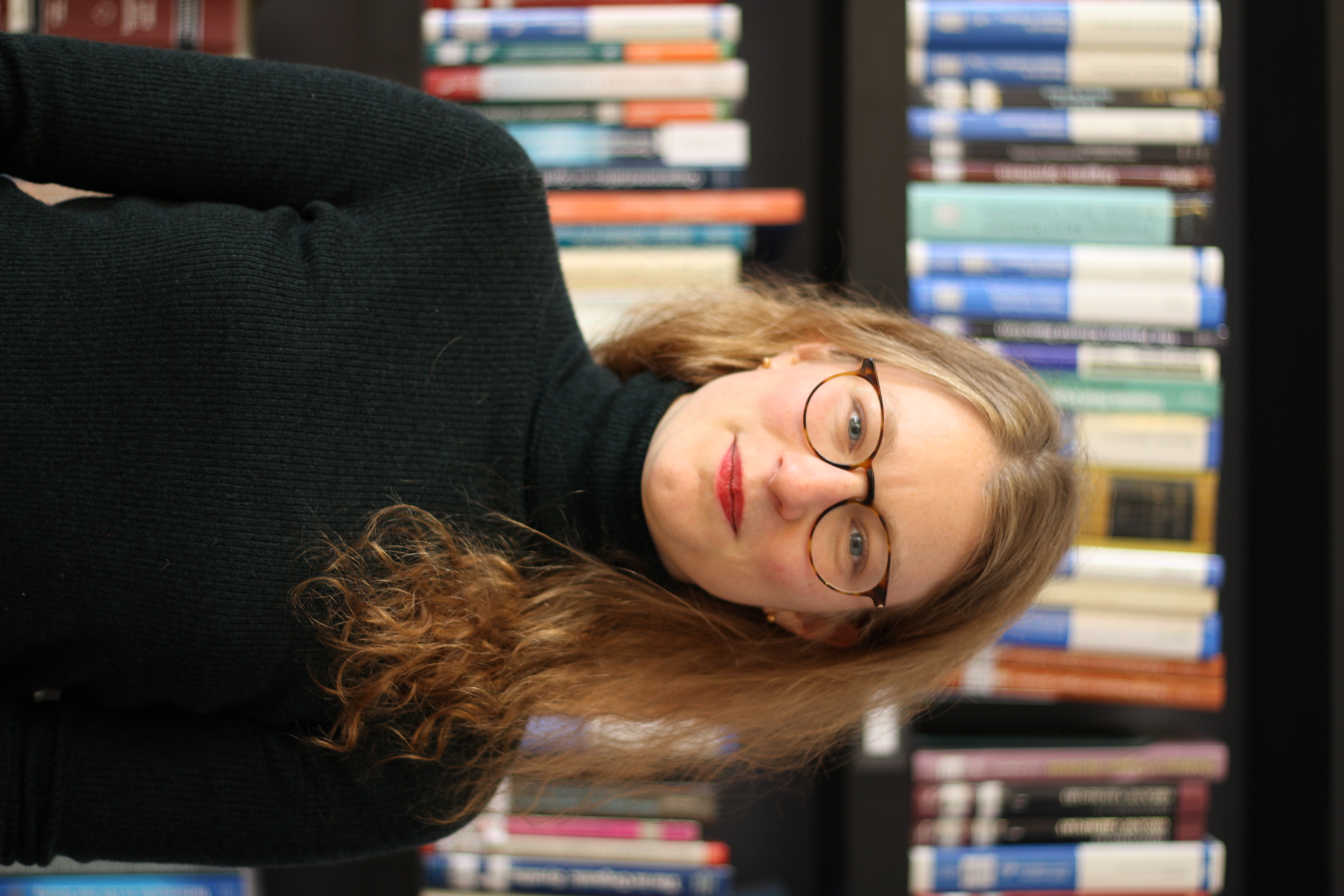 Julie Drevet is a postdoctoral researcher in the D-CAP team at INS Marseille. Her PhD work centered on computational modeling and the neural mechanisms of perceptual decision-making. Currently, her research explores the role of the motor system in auditory perception and temporal attention.
Lucas Benjamin
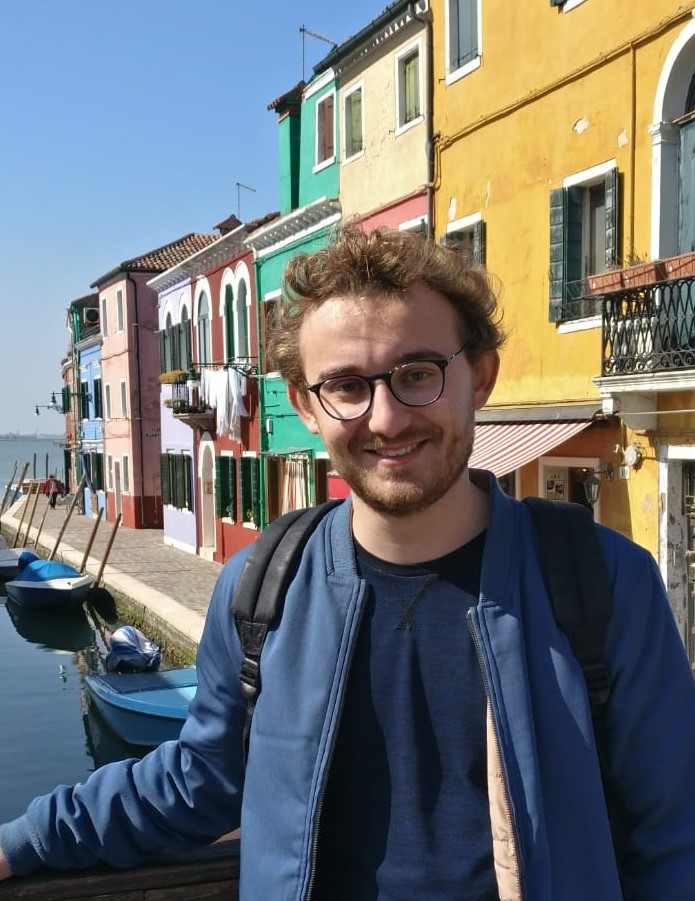 Lucas Benjamin is a postdoctoral researcher in the D-CAP team at INS Marseille and at LNC2 at ENS Paris. After a PhD on how neonates and adults learn from auditory sequences, his current work explores the processes and neural correlates of multidimensional decision making and how hidden rules can influence these processes.
Jacques Pesnot Lerousseau
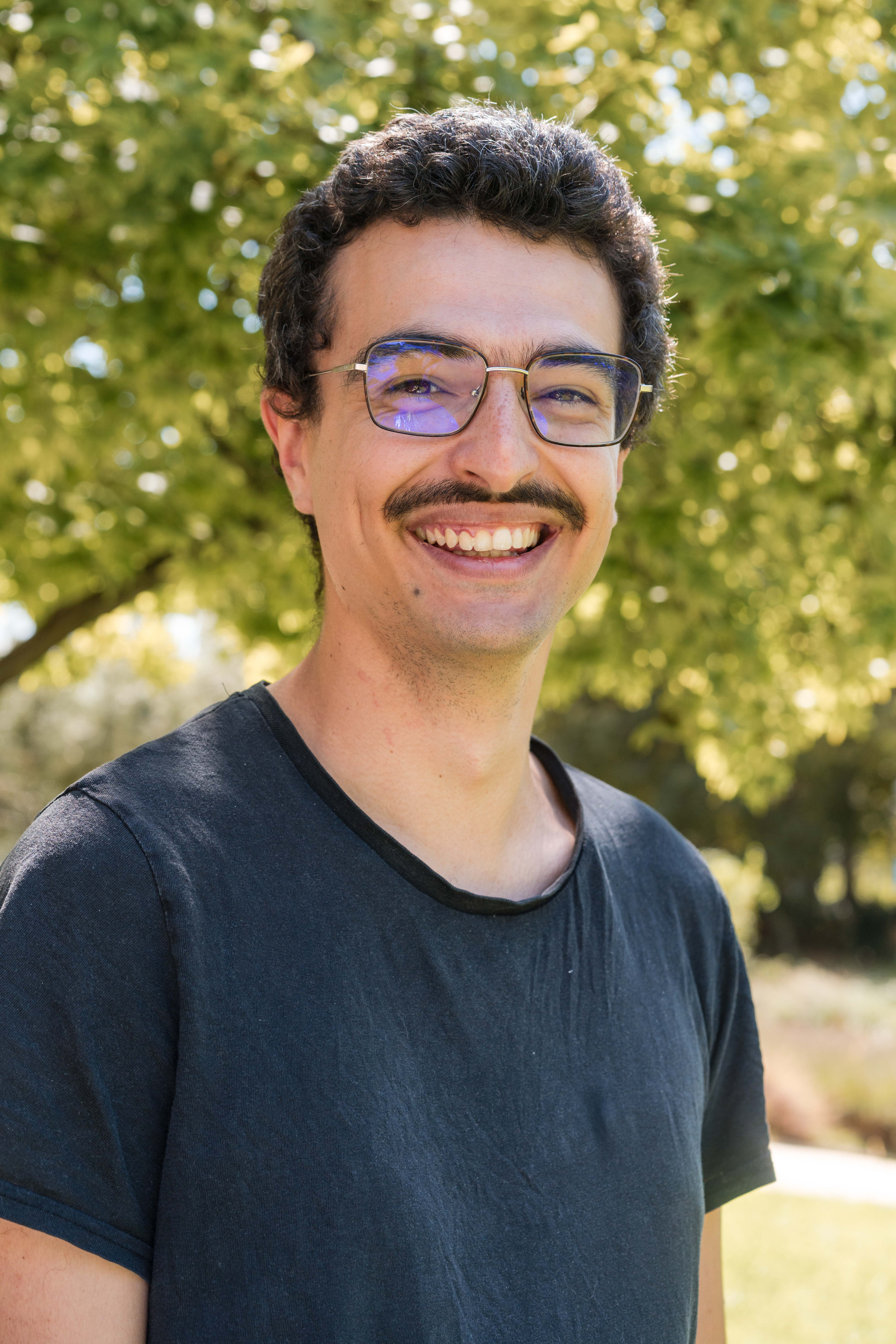 Jacques Pesnot Lerousseau is a postdoc at the Institute for Language, Communication, and the Brain, Marseille. His current research addresses the question of in-context learning in human brains and artificial neural networks, aiming to uncover the mechanisms behind rule generalization in the brain and algorithms.